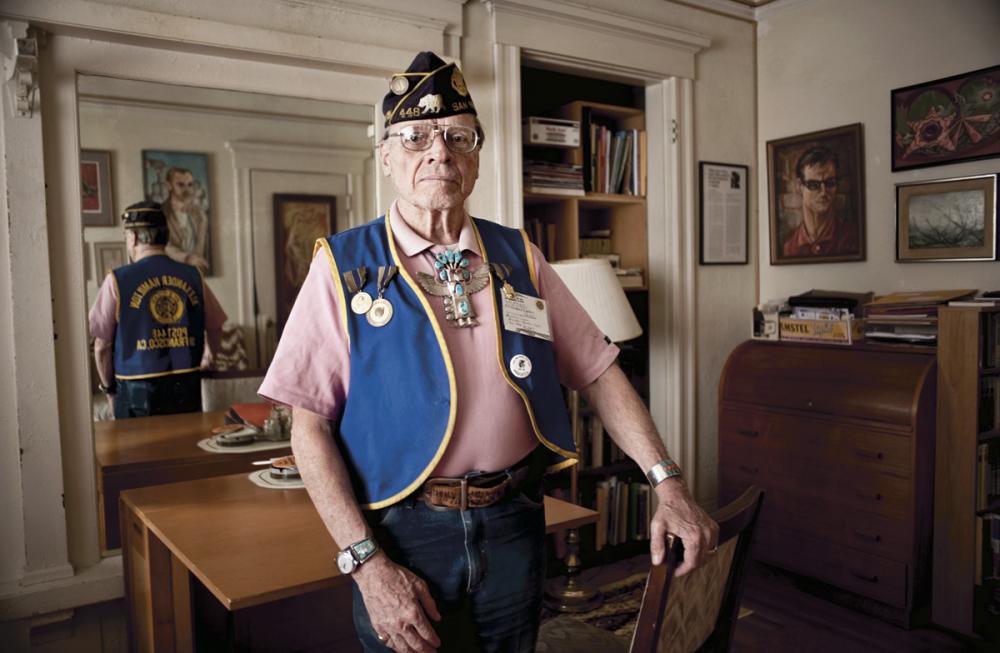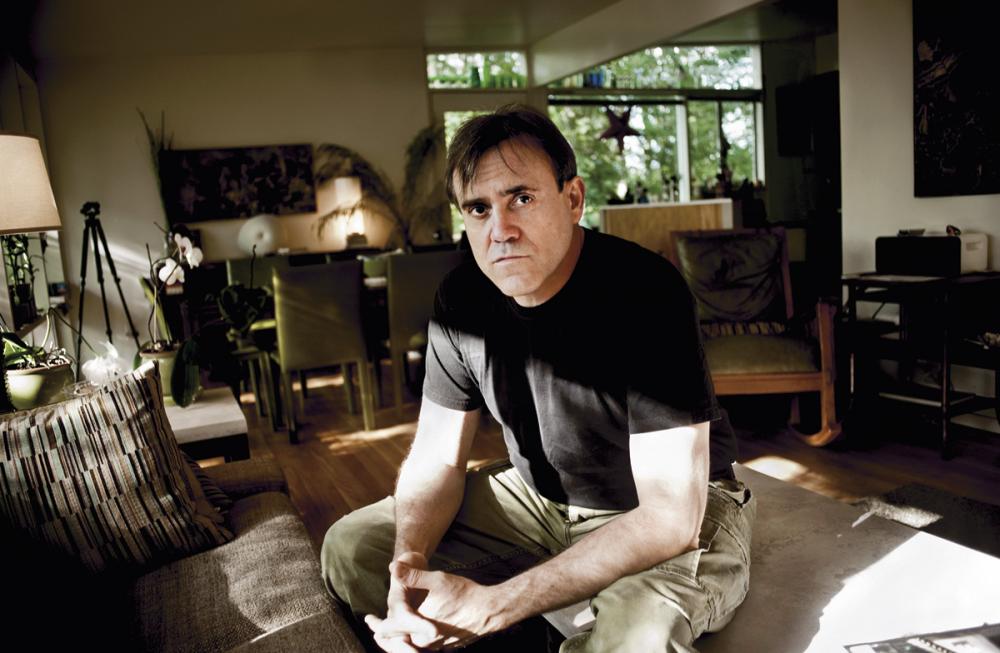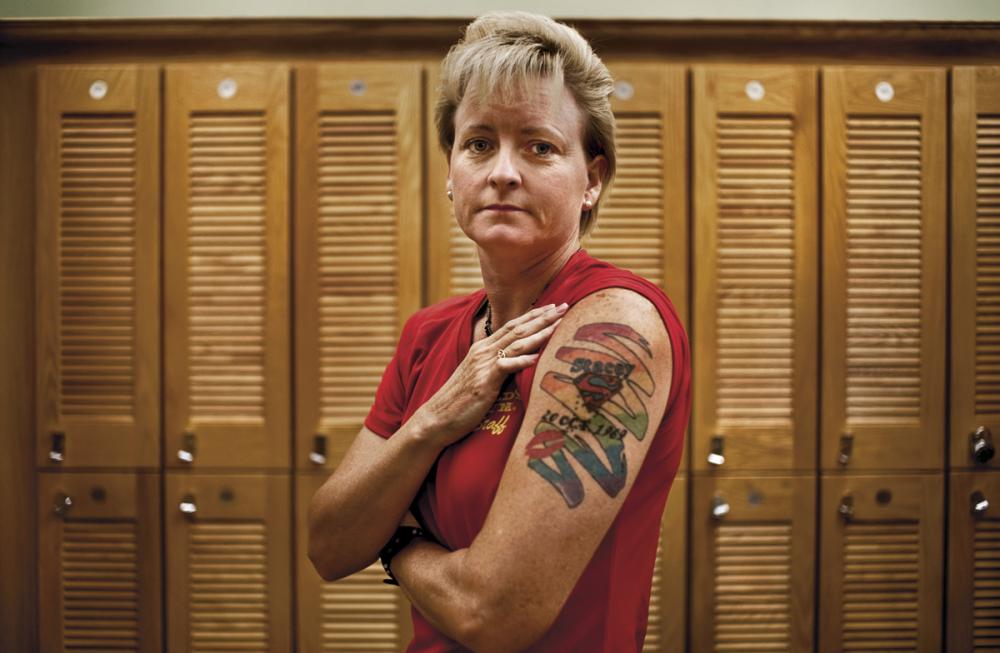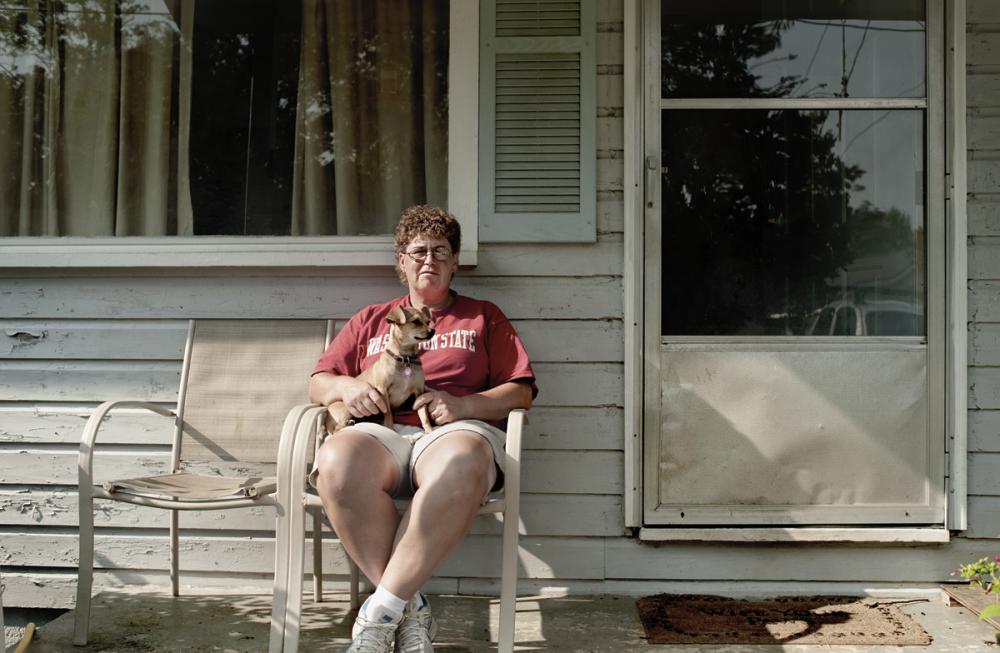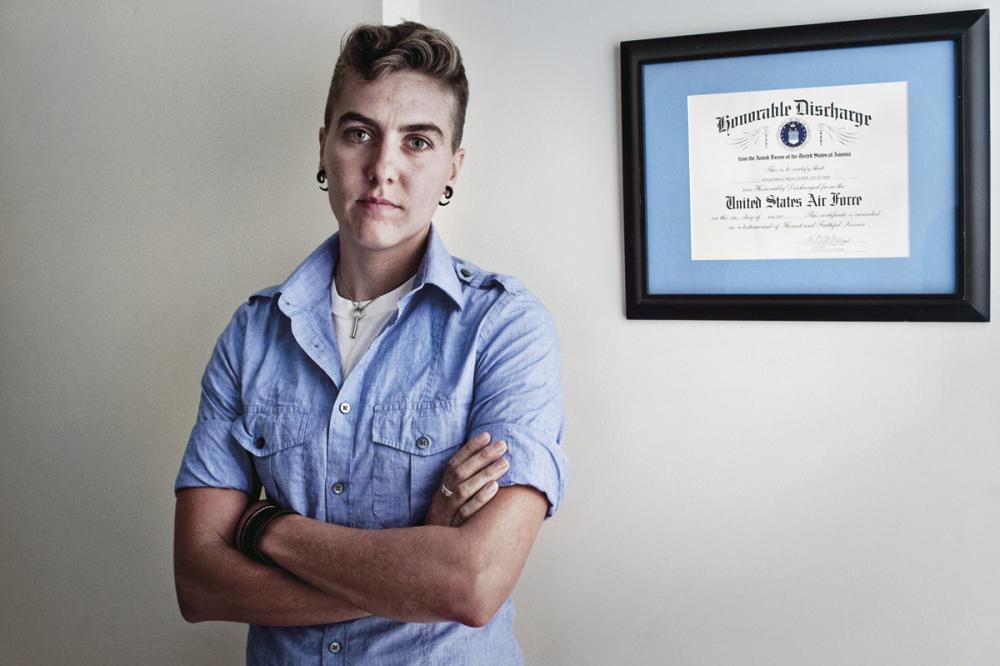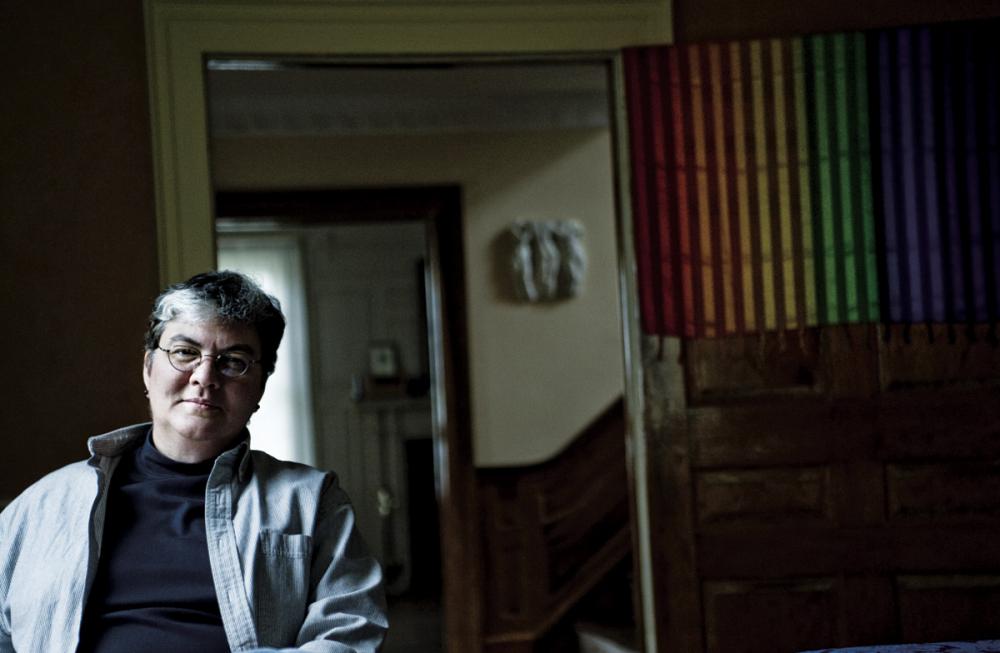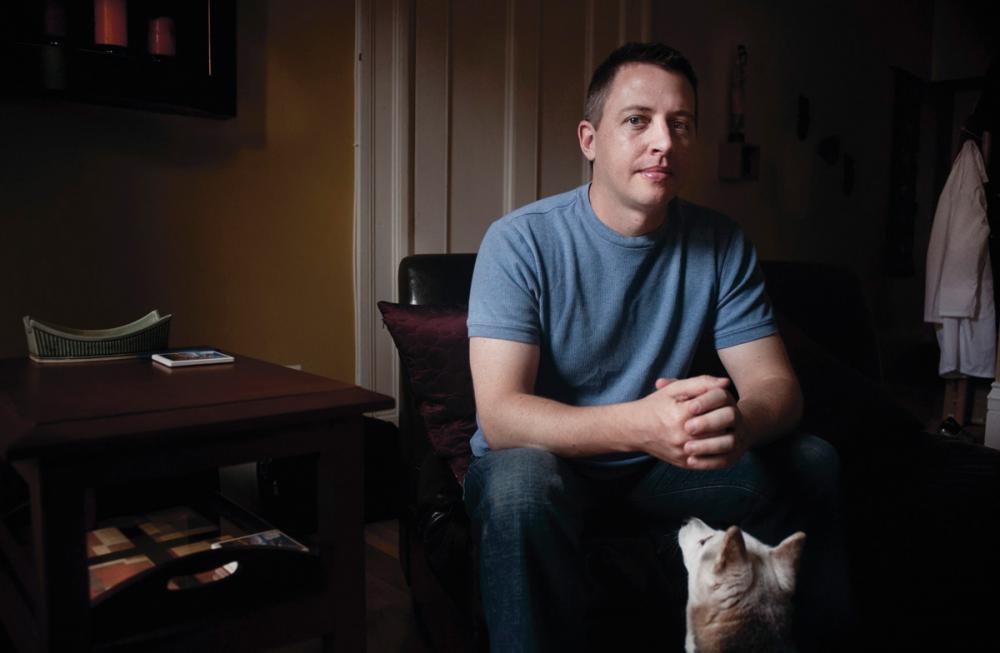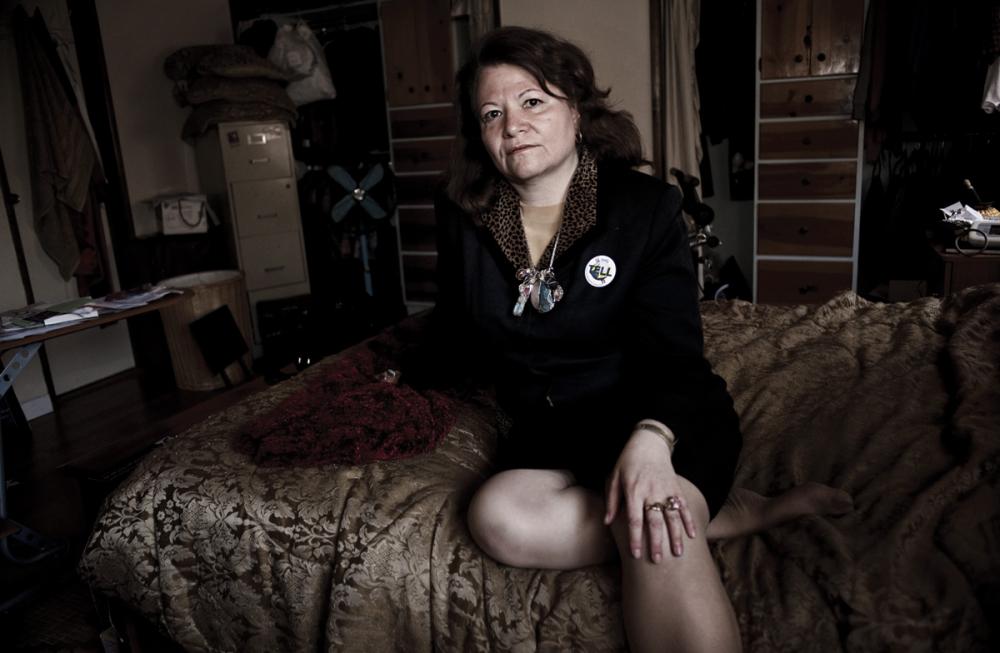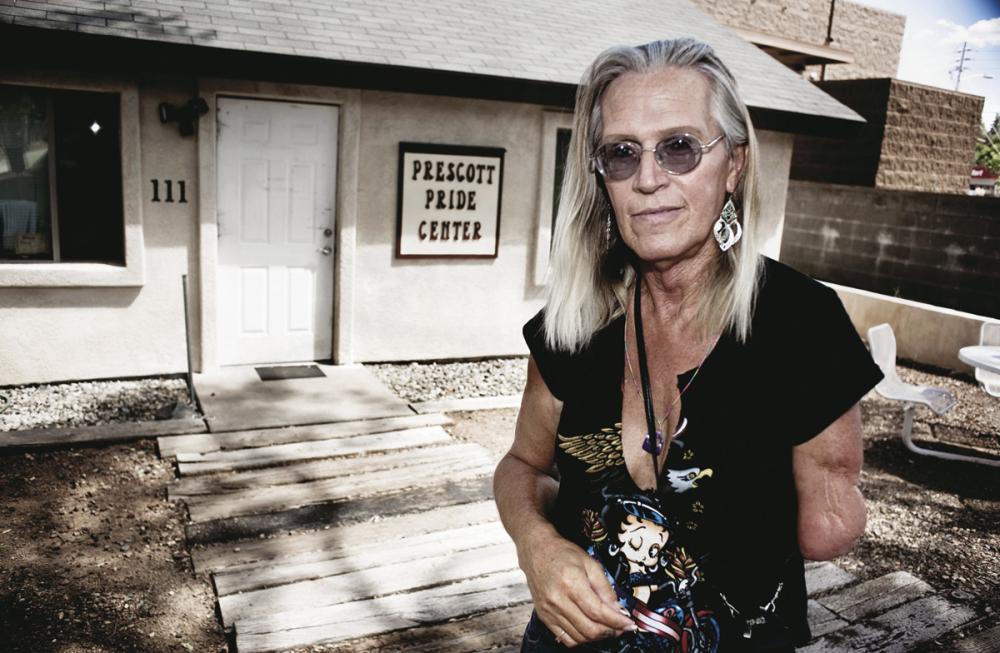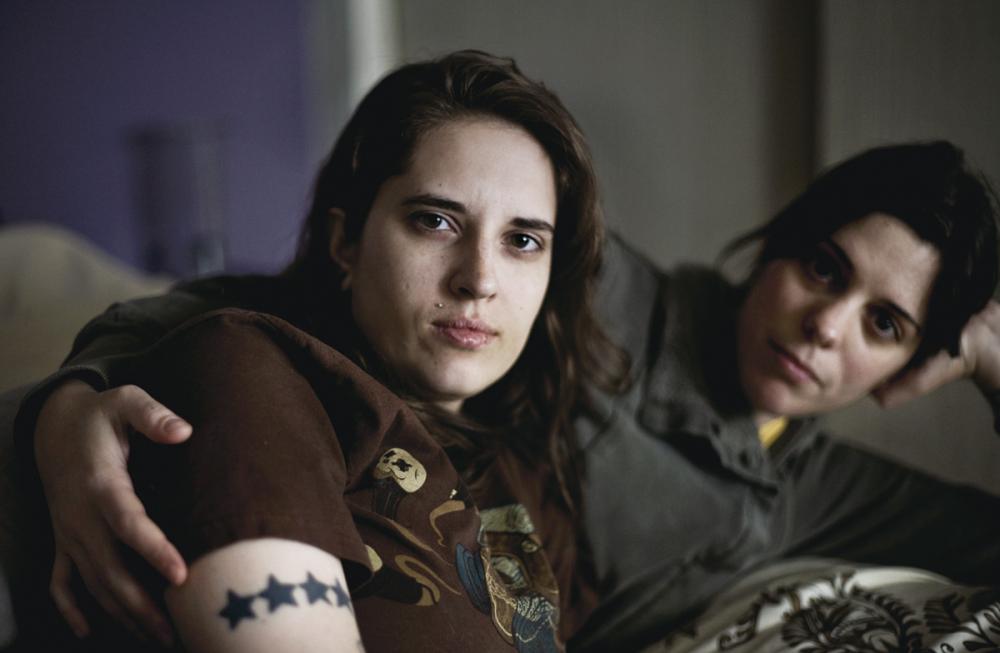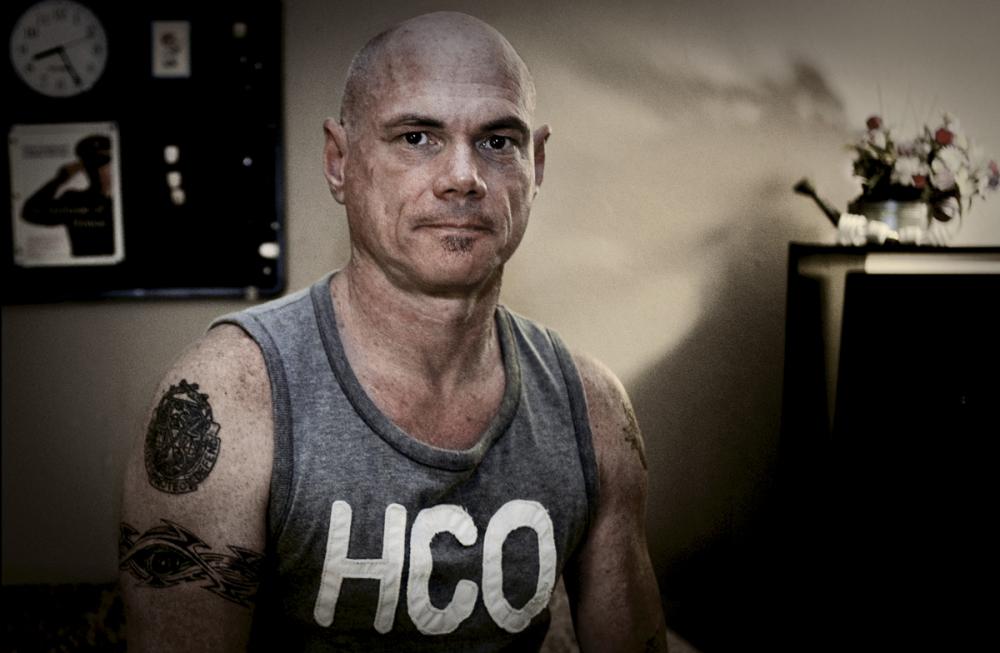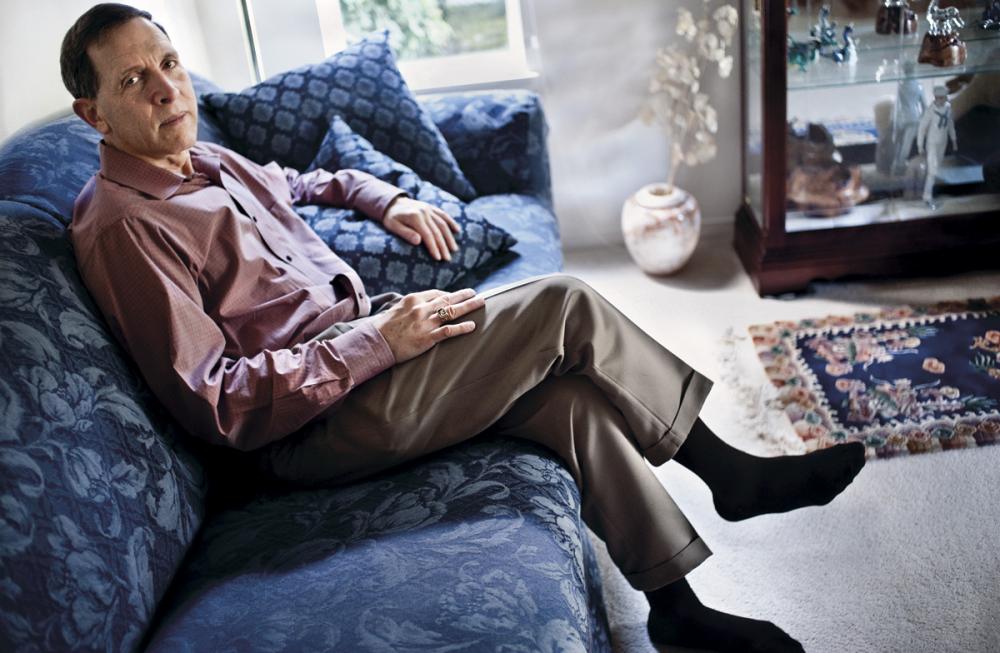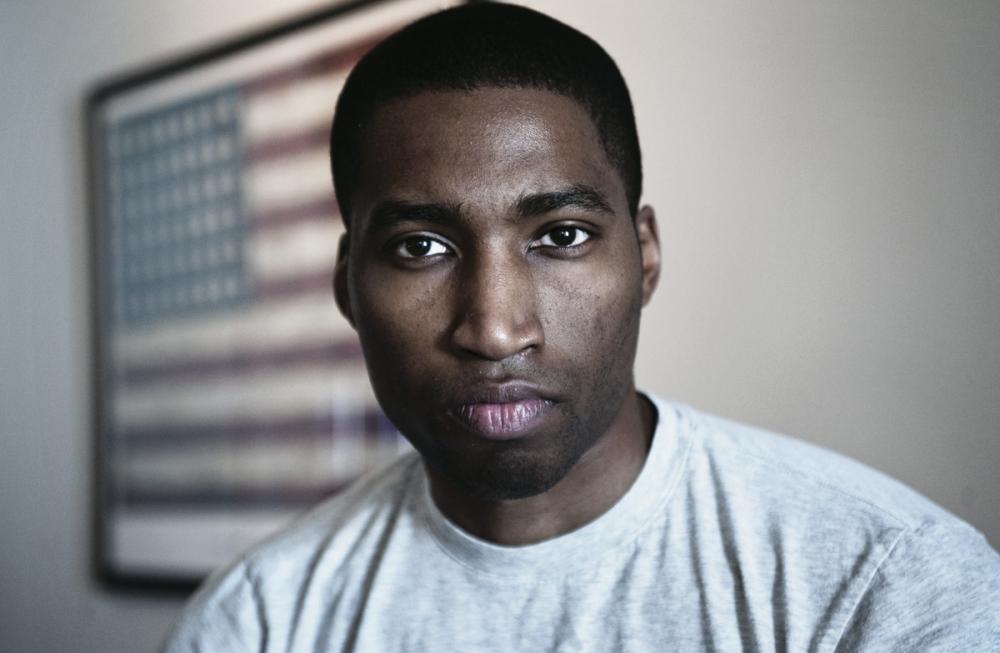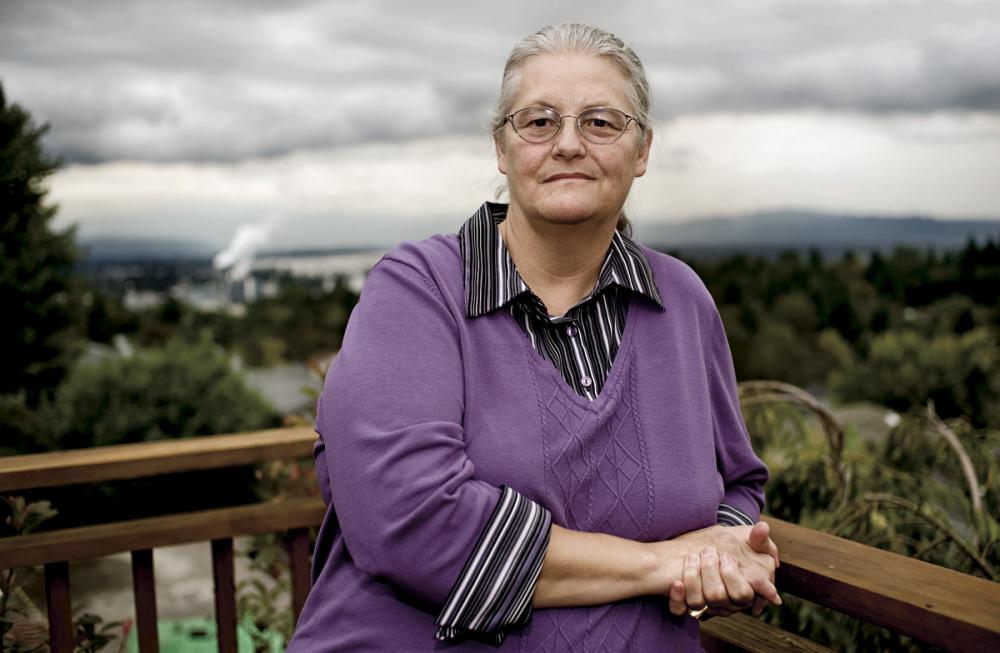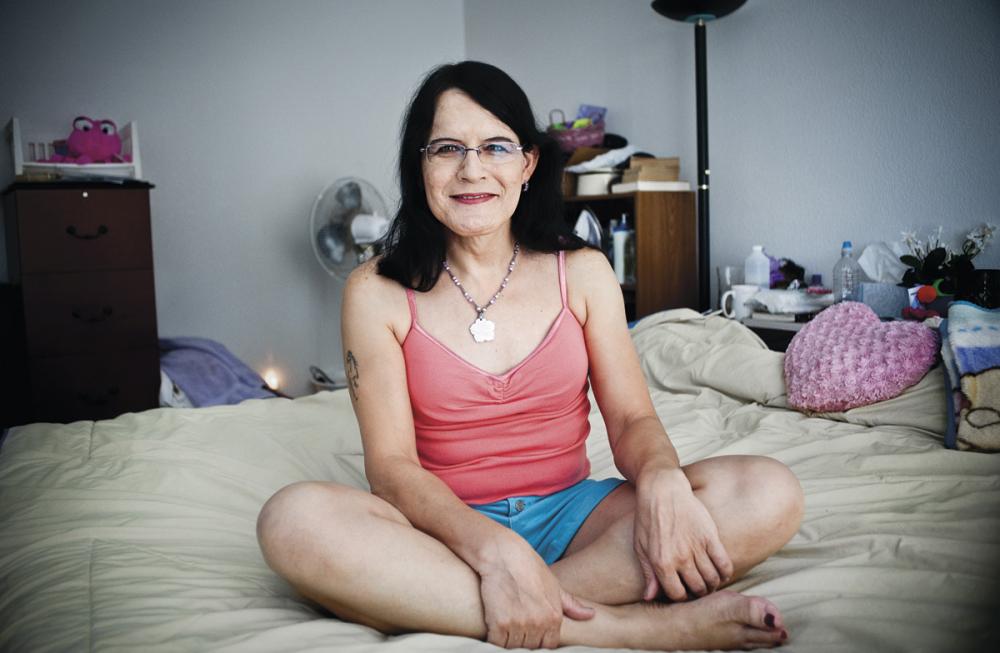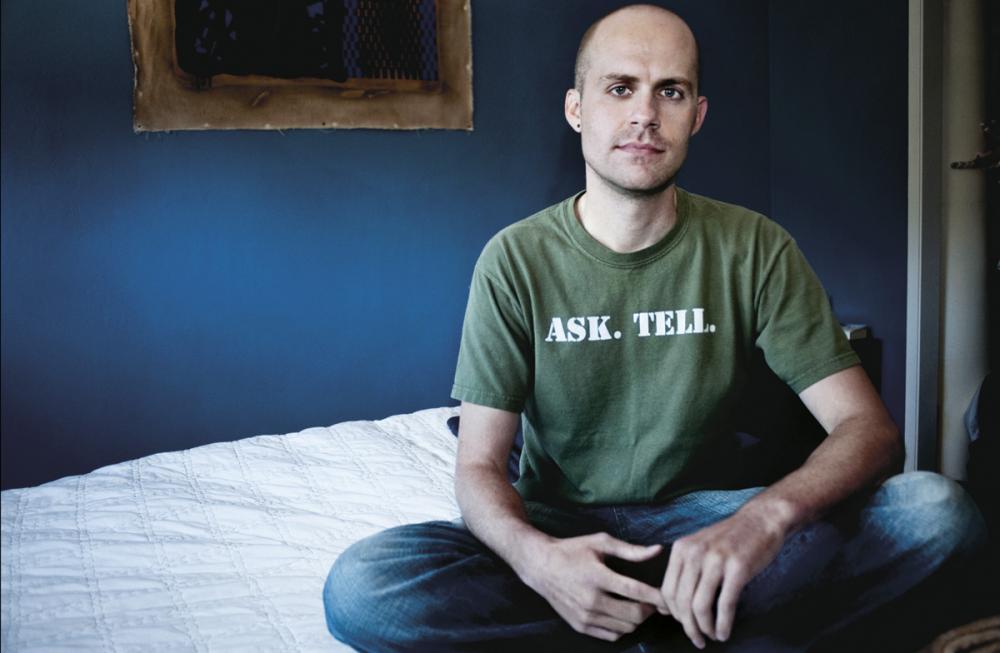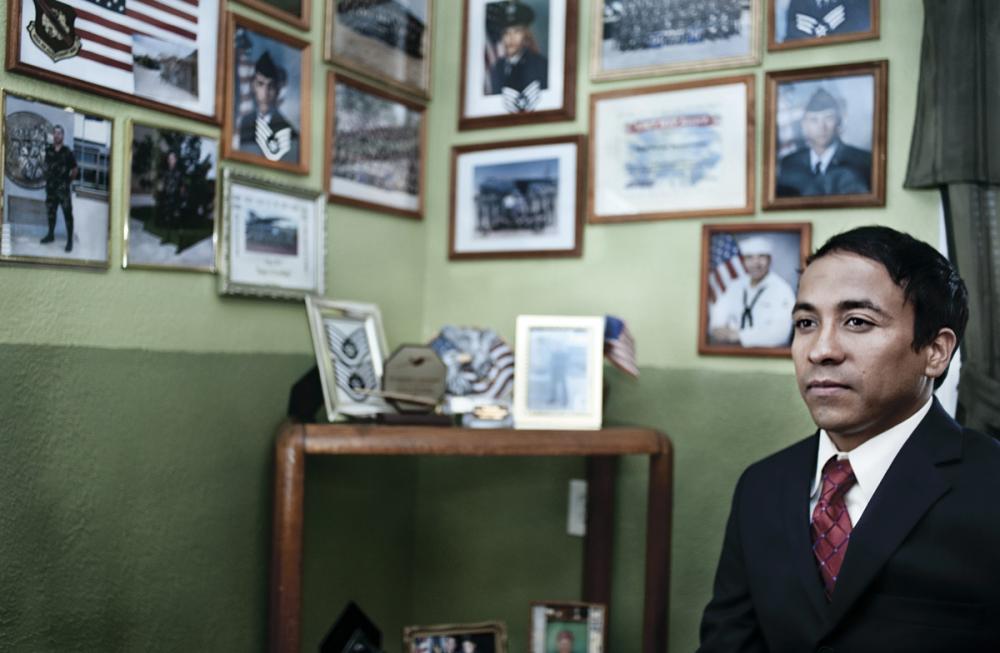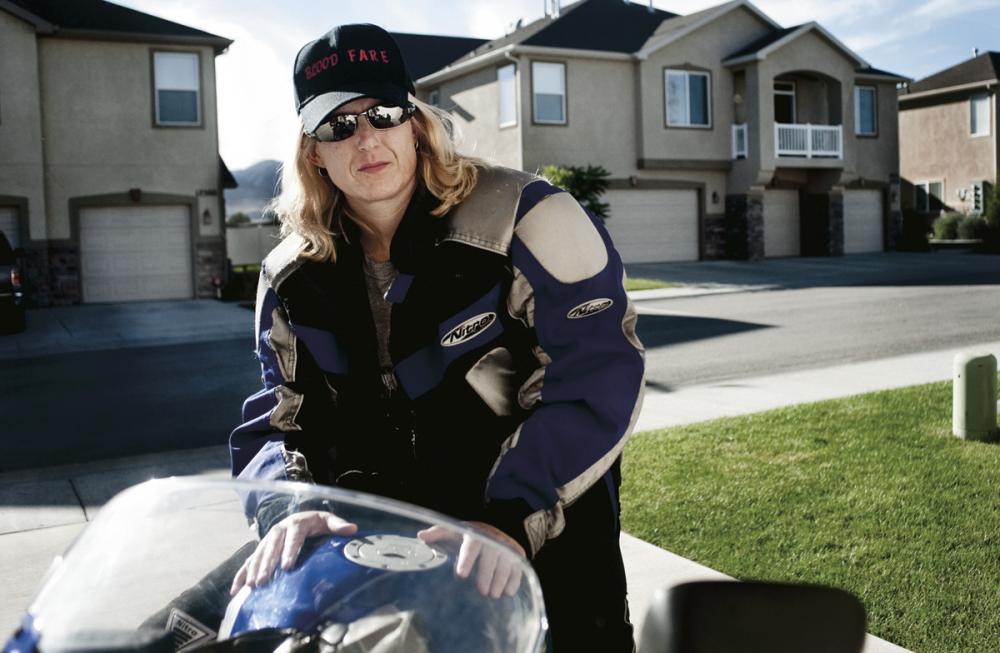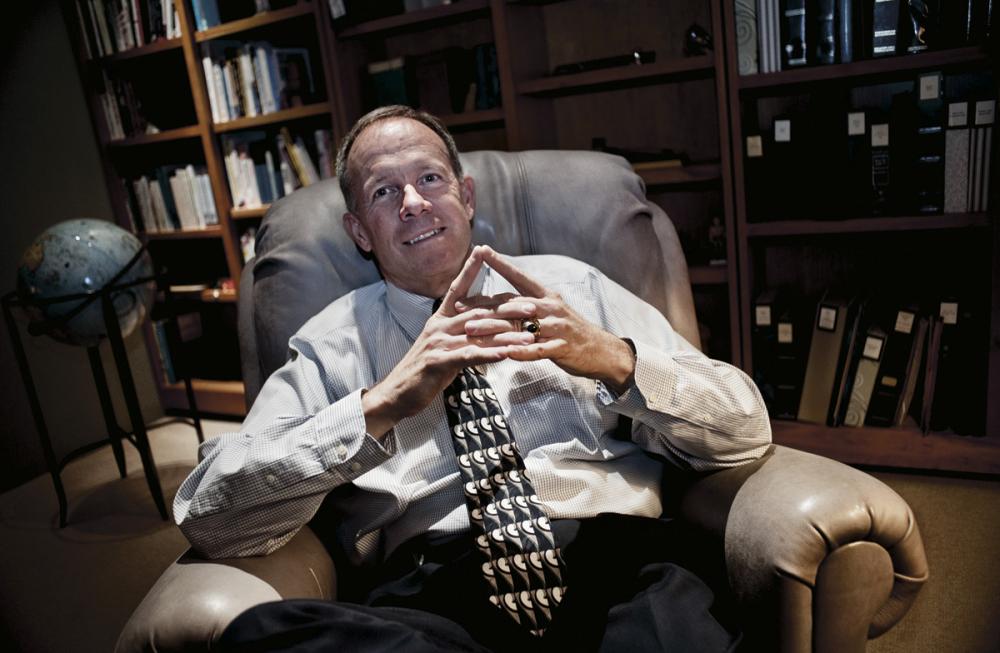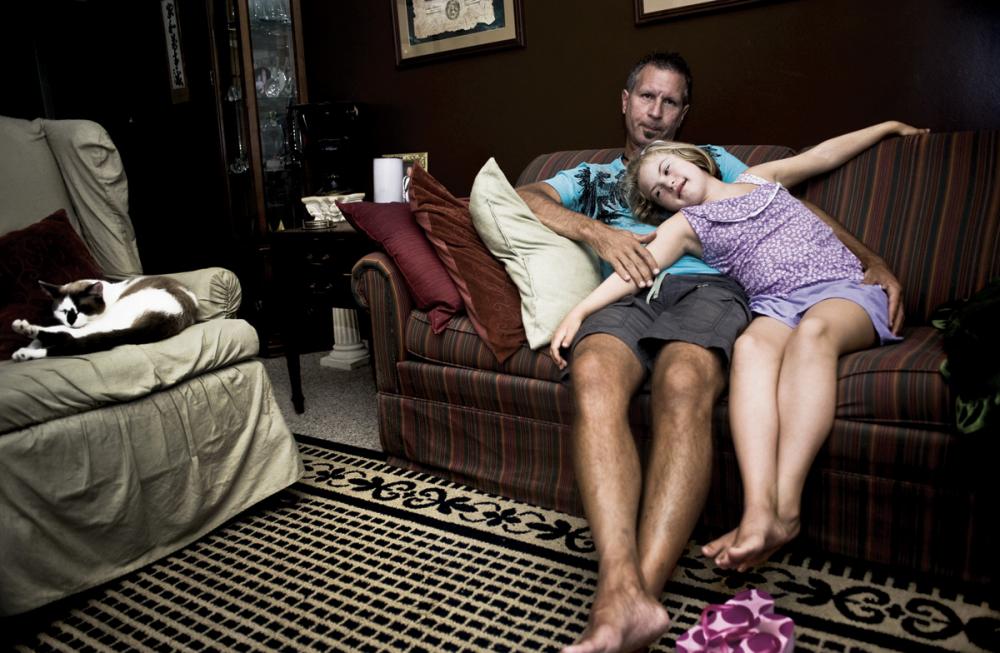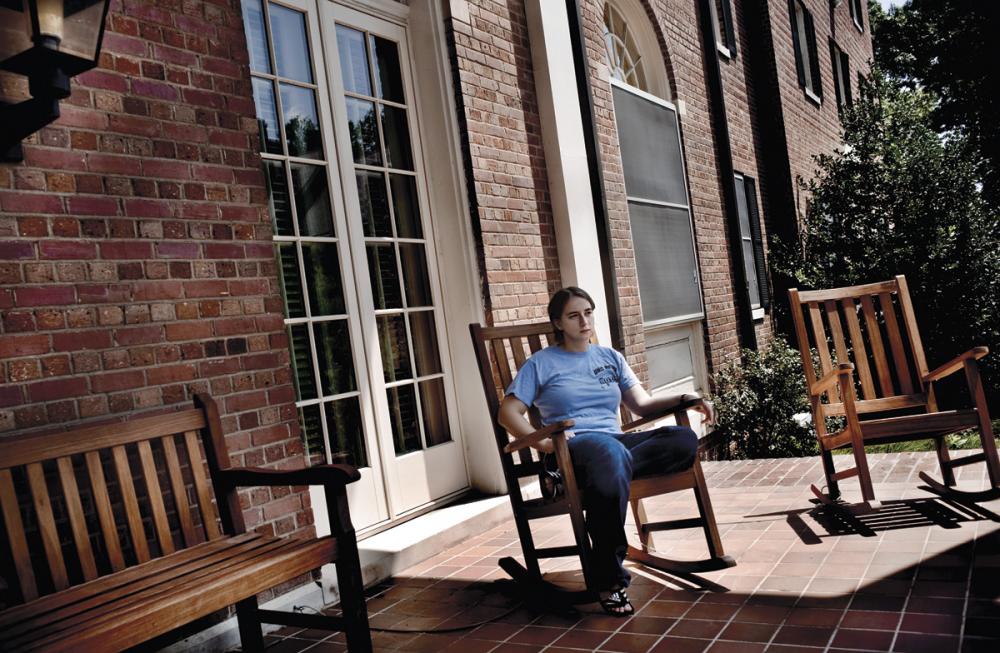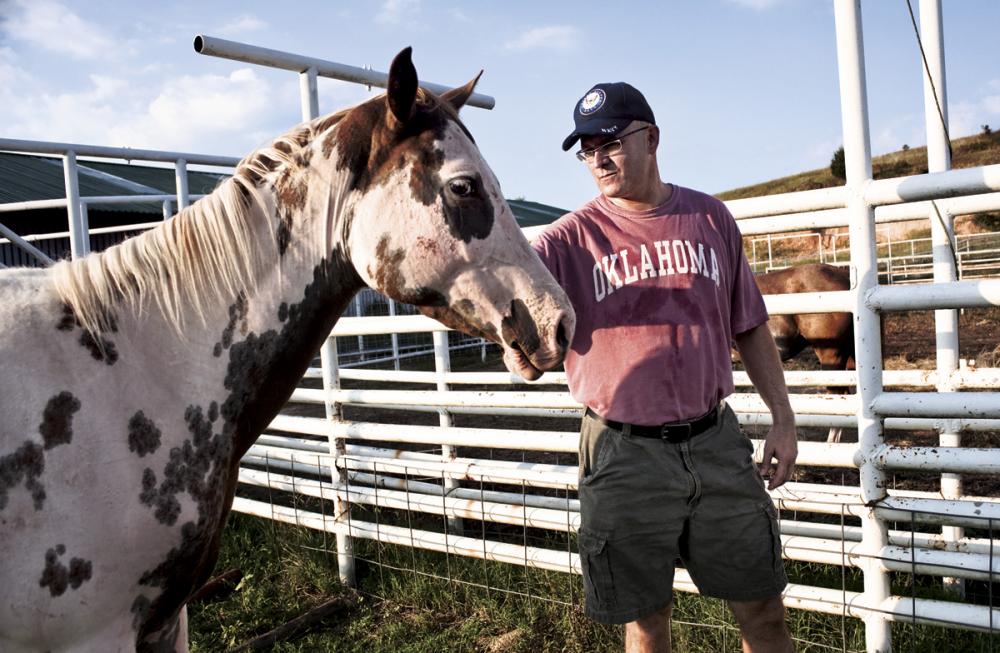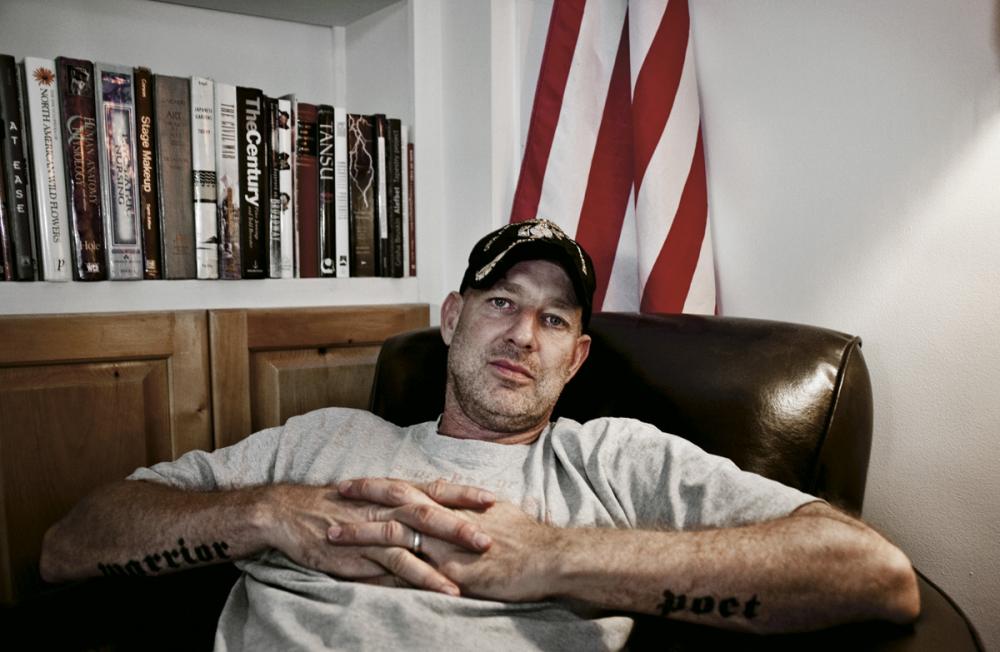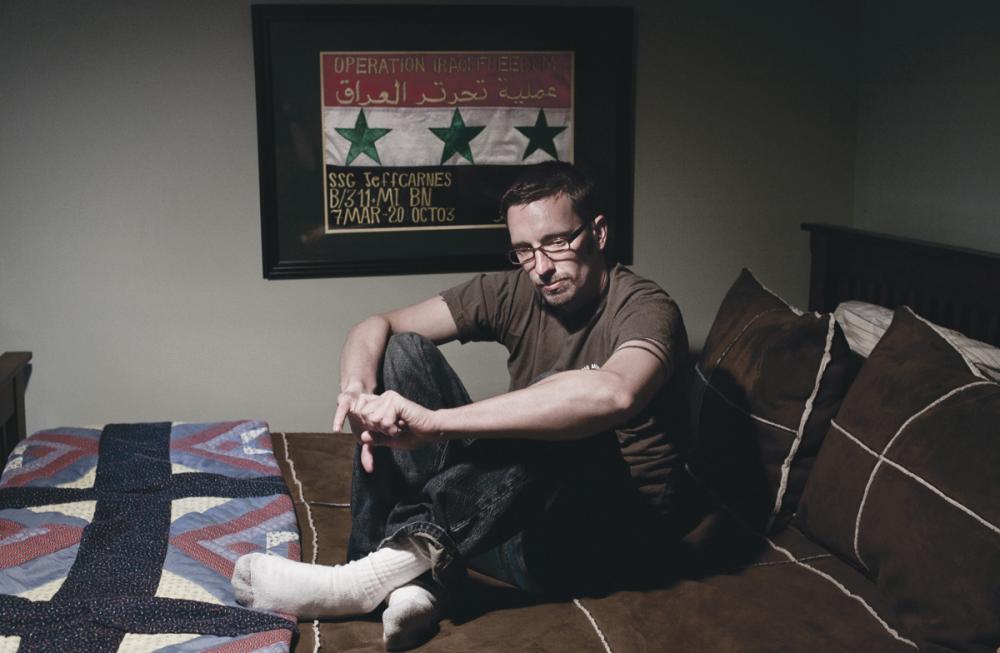

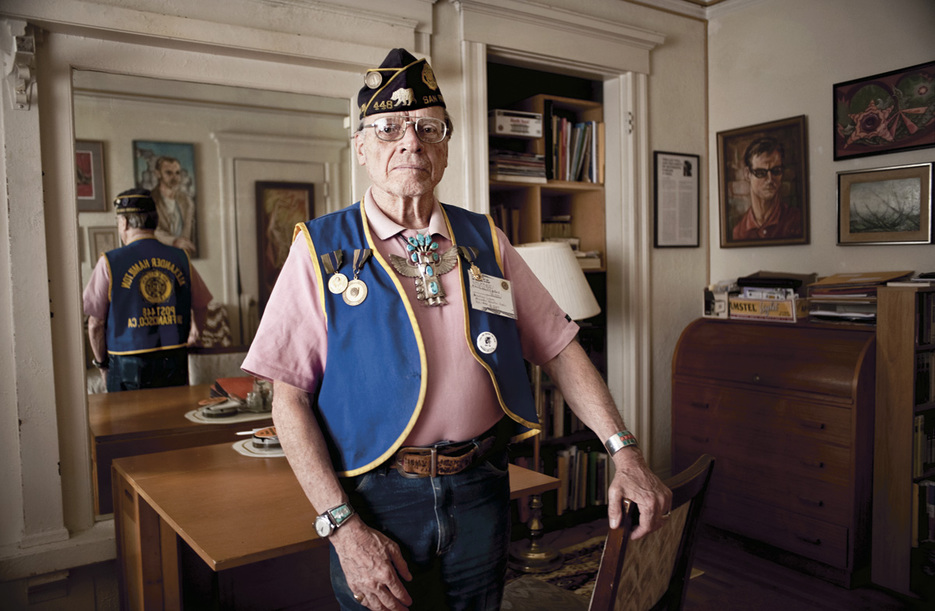

Corporal Robert Potter was drafted into the Army in 1946 and re-enlisted shortly after to serve from 1946-1947 in the Army Air Force. He deployed to Japan and Korea. He is a member of the Alexander Hamilton Post #448 of the American Legion, the only gay post recognized by the American Legion.
Photo: San Francisco, California
Proud to Serve-Portraits of LGBT Veterans
Jo Ann Santangelo | United States
Photographer: Jo Ann Santangelo
Exhibit Title: Proud to Serve-Portraits of LGBT Veterans
Location: United States
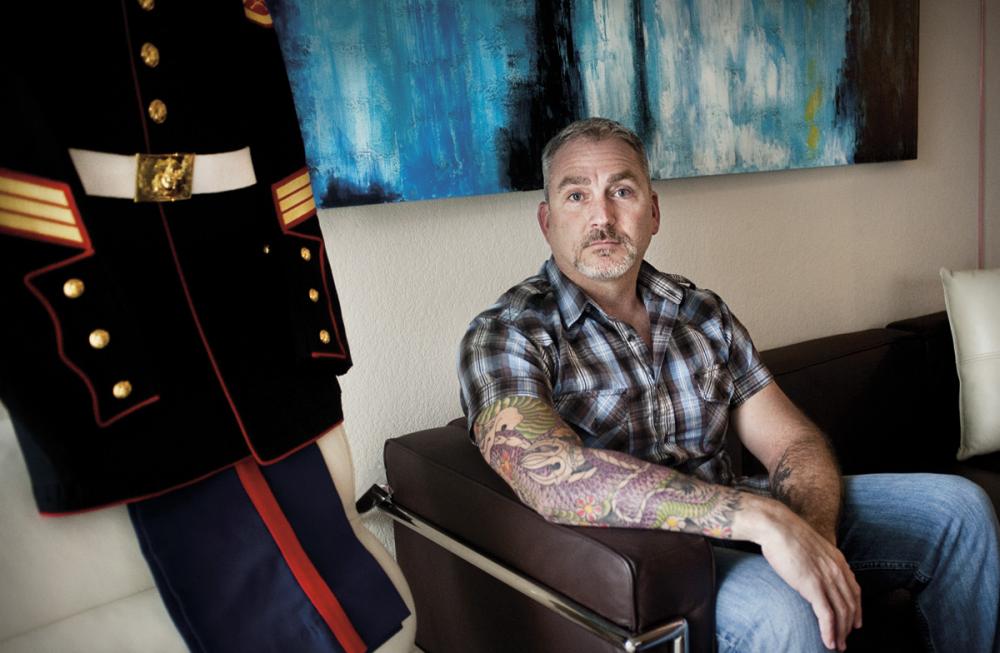
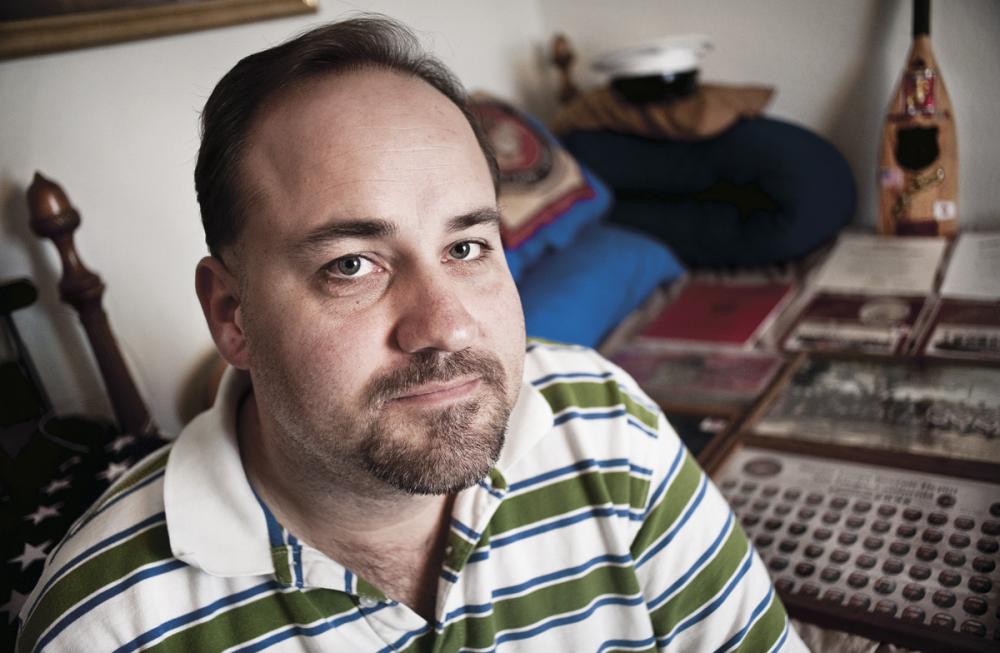
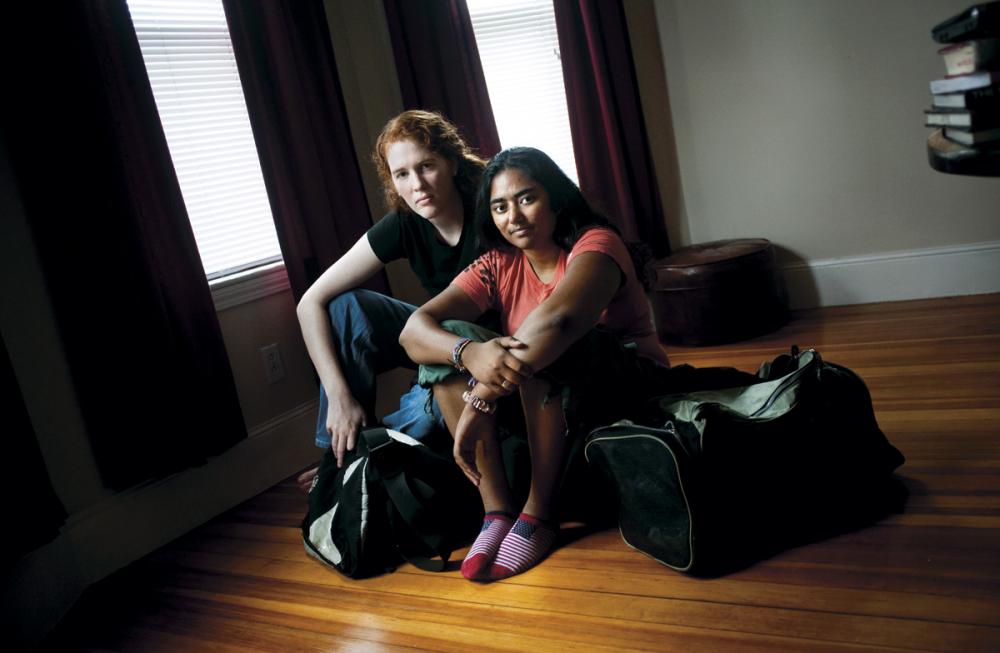
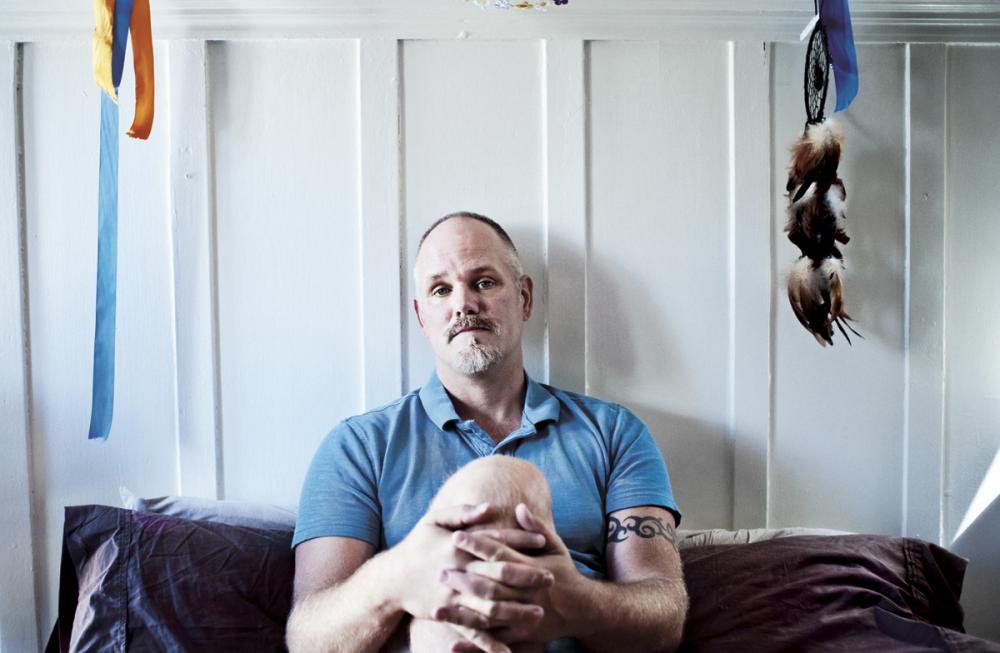
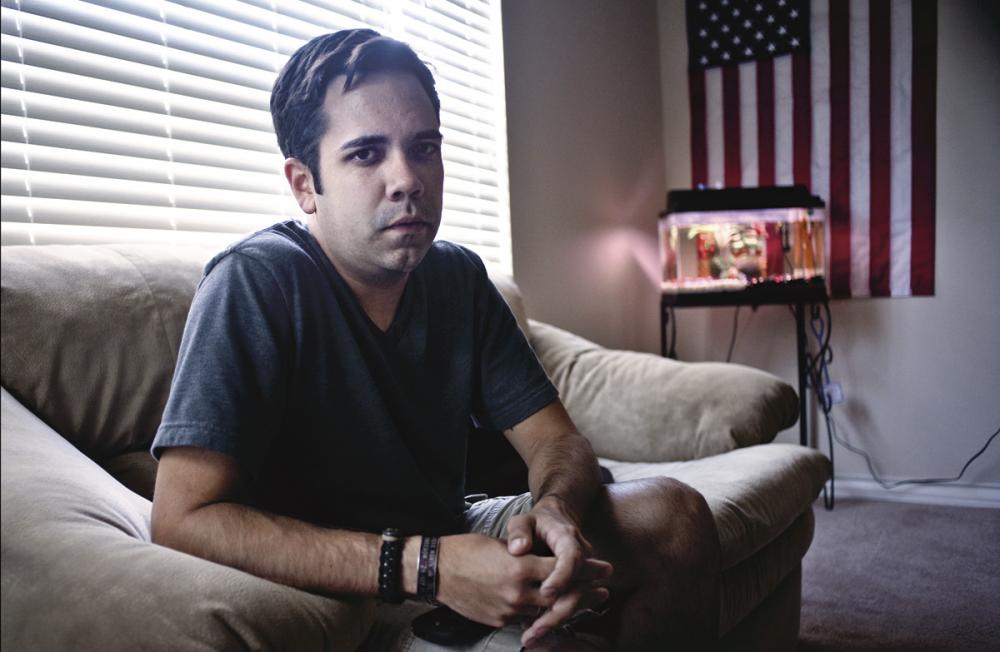
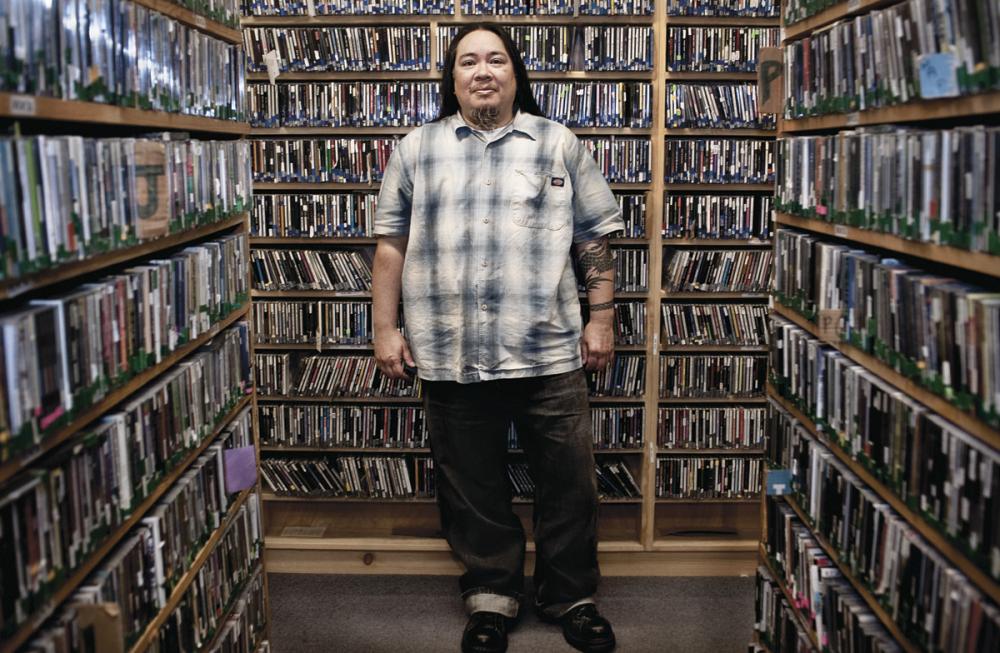
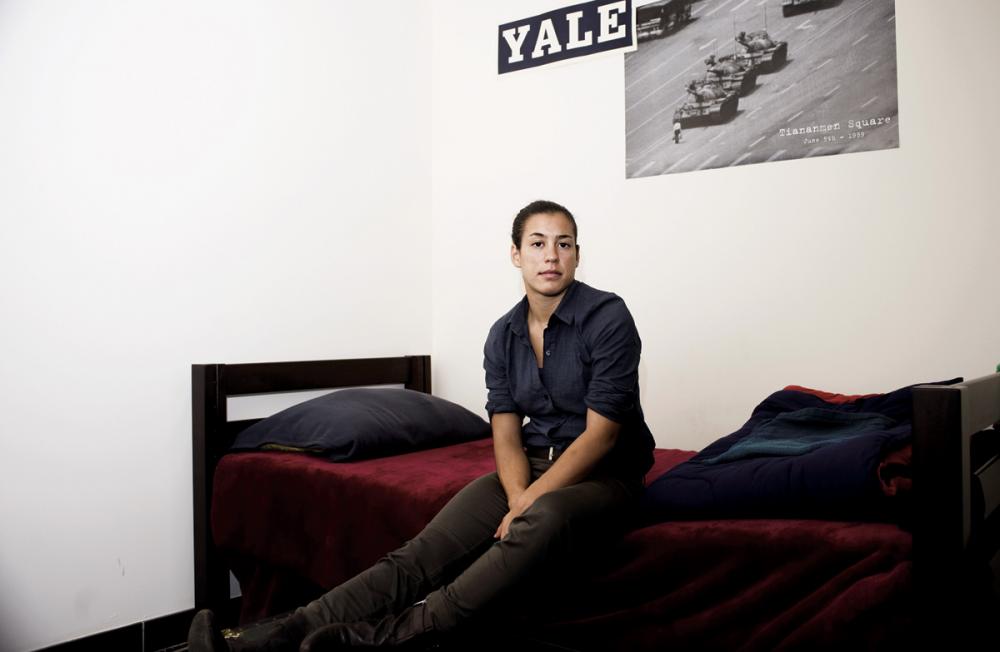
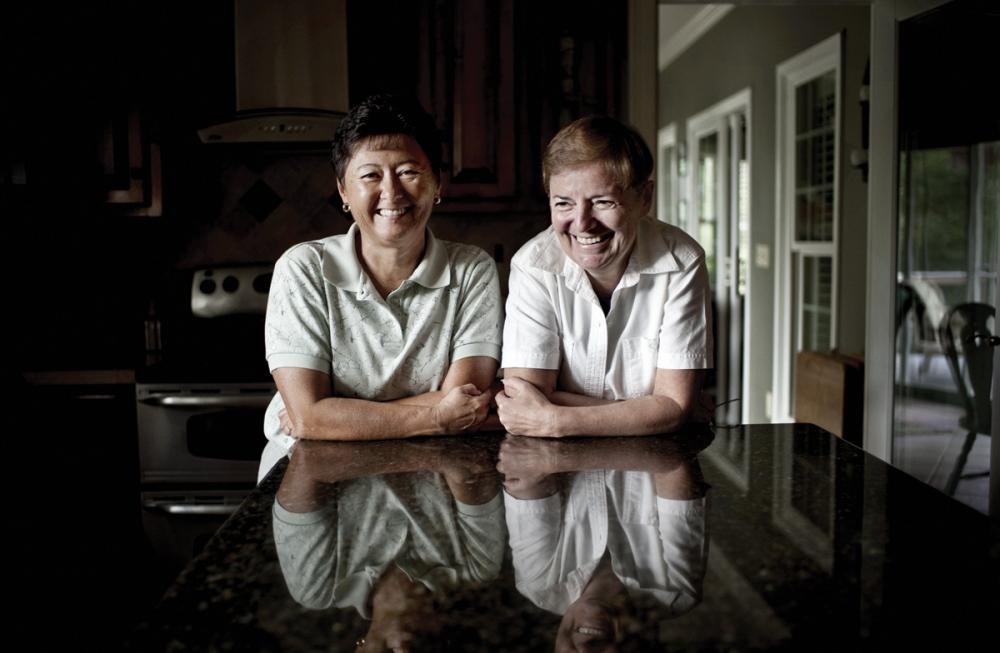
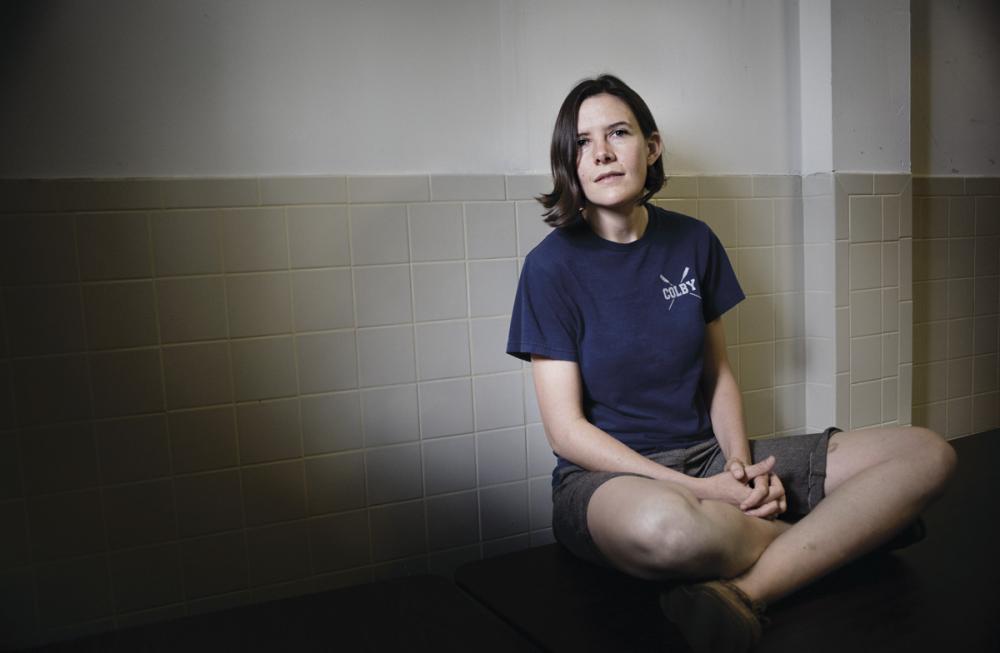
Proud to Serve: is a portrait essay and multimedia piece featuring Lesbian, Gay, Bi-Sexual and Transgender (LGBT) American Service Members who served their country in silence or were discharged under the “Don’t Ask, Don’t Tell” law.
Represented by Redux Pictures reduxpictures.com/
@font-face { }p.MsoNormal, li.MsoNormal, div.MsoNormal { margin: 0in 0in 0.0001pt; font-size: 12pt; }table.MsoNormalTable { font-size: 10pt; }div.Section1 { page: Section1; }
I started Proud to Serve, when I was a student at The International Center of Photography (www.icp.org) in Manhattan (2008-2009). I myself am not military; I don’t come from a military family. I am a lesbian. Before starting this project, I never really thought about "Don't Ask, Don't Tell" or gays in the military. In the summer of 2008, I was driving my pedicab around Austin, when I gave a ride to a young soldier who opened my eyes. During the ride, he started telling me about his military life, death of his friends, after further chatting, he told me he was gay and what it was like to be gay in the Army. That night, I went home and looked up gays in the military. The numbers shocked me.
There are roughly 65,000 gay men and women currently serving in the armed forces. Nearly 14,000 service members have been discharged for being gay. There are more than one million gay veterans. With this project, I am putting a human face on the statistics of “Don’t Ask, Don’t Tell.”
Over the last two years, I visited the homes and documented the stories of these men and women, LGBT American service members who have been impacted over the years by the discriminatory policy of "Don't Ask, Don't Tell." Many spoke about what it was like to serve as a gay person in the U.S. Military; some recounted the day they were told of their discharge. Retired Navy Captain, Joan Darrah recalled 20 years of hiding who she was. Forty-six of the sixty-seven portraits in the project were taken during a 28 day- 10,000-mile road trip.
Jo Ann Santangelo
postmaster@joannsantangelo.com
347-891-0194
Make Comment/View Comments