Loading Content, Please wait....

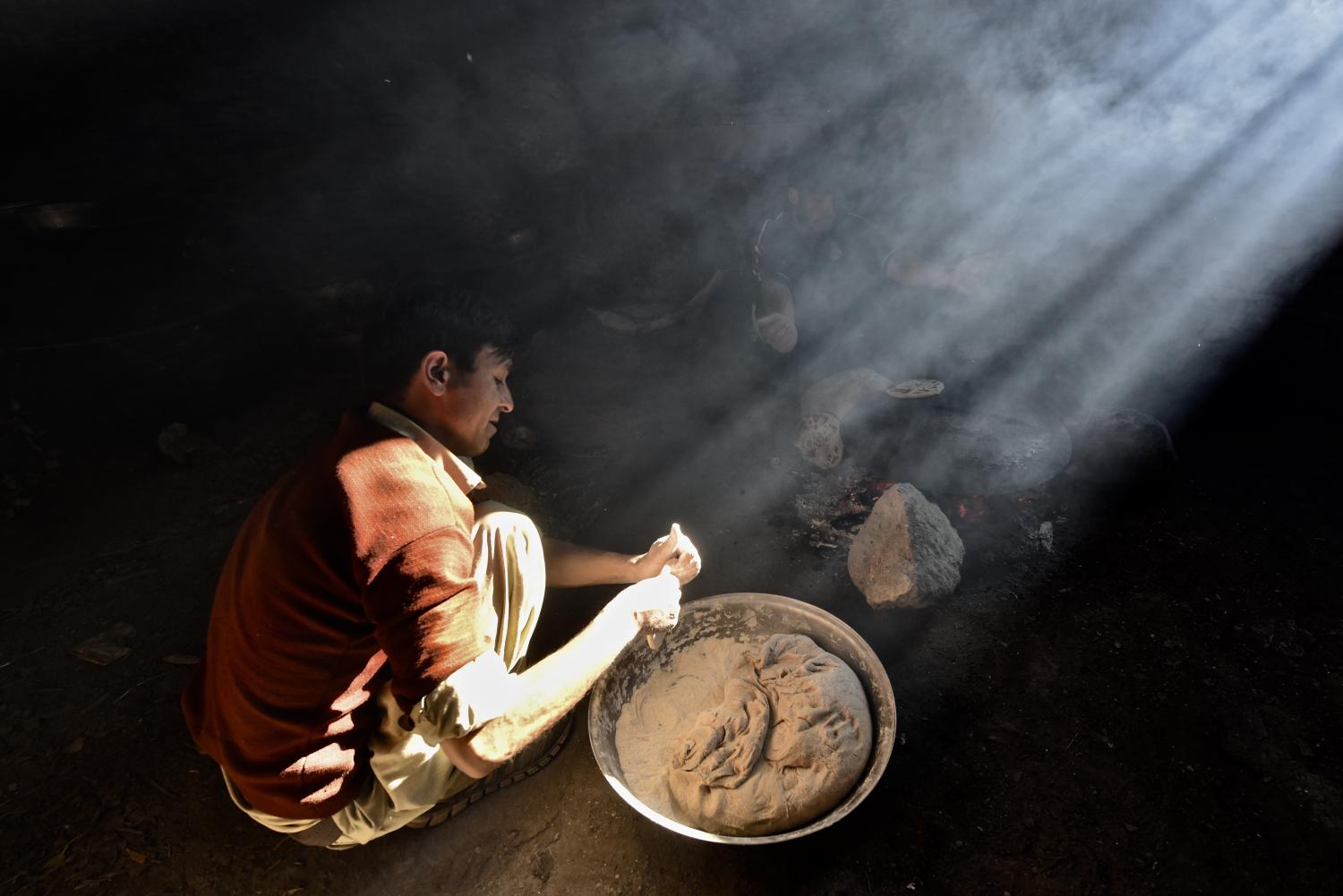
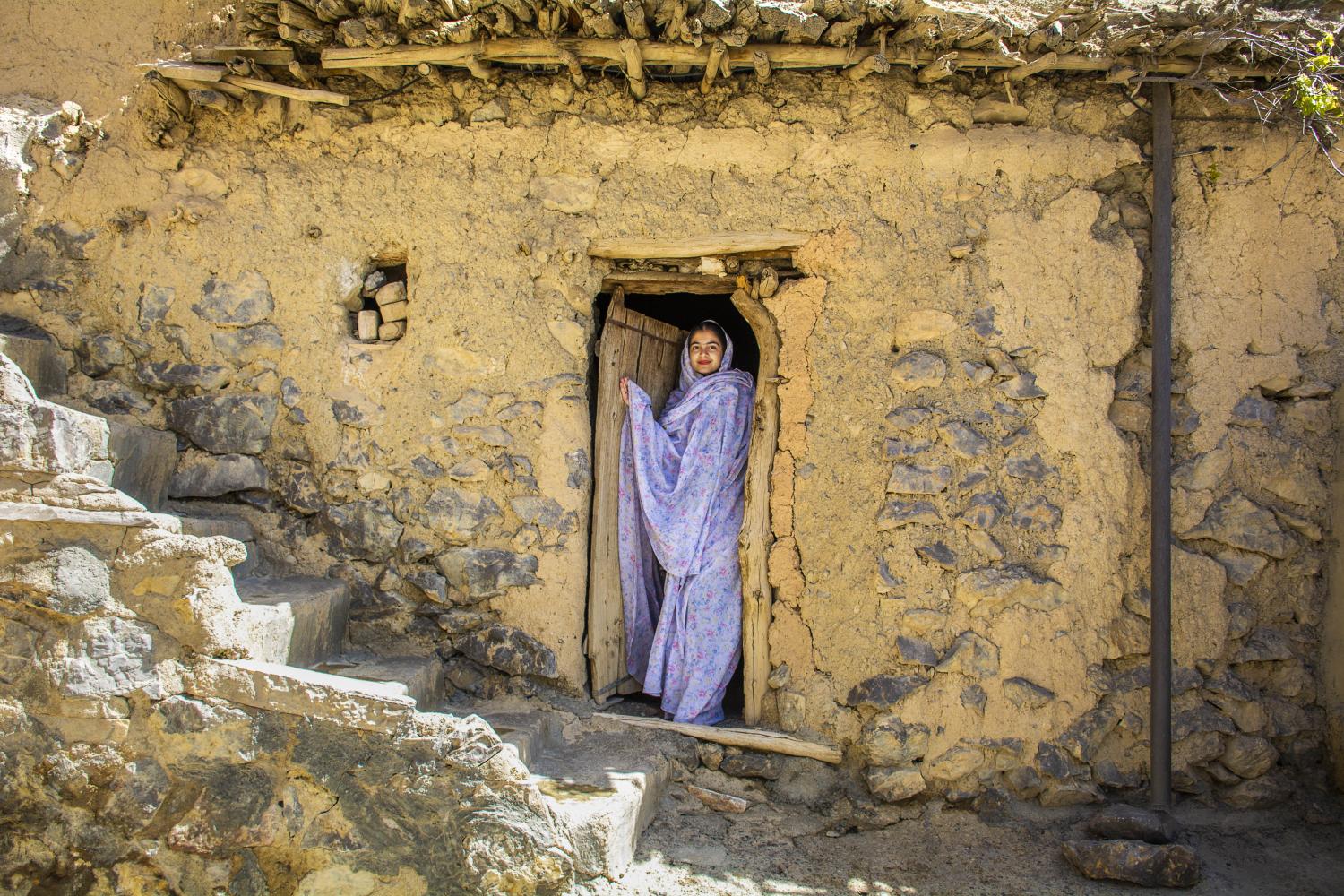
Buddhist landscapes in India date from the mid-sixth century BC during the lifetime of the Buddha. After the Buddha's death, numerous descendents of his disciples continued to teach his doctrine. Starting in the third century, BC, monks started to build permanent temples and monasteries, often sited in remote locations. The sublime beauty of the Buddhist landscapes of India has inspired reverence among people for thousands of years. Whether it is monasteries with their monks and rituals, the colorful dances that take place during festivals, an old nomad woman in a yak-hair tent in Ladakh fingering her prayer beads, or Tibetan mantras carved into rocks along the trail, Buddhism permeates the landscape of the Indian Himalaya and the important Buddhist pilgrimage sites in the plains. There is unadorned beauty in the clean architecture of temples and stupas that transcends their simple structures and awesome wonder at the undying faith of people in their religion. The sublime realm of the Buddhist landscapes deserve more respect. As a first step, we could begin by acknowledging the hallowed nature of the landscape and start to treat it with a little more reverence as Buddhists have for centuries.

To license this work for editorial, creative, or other uses, click on the OZMO logo above.
This will take you to the Ozmo website where you can review the cost and license for the photographs in this exhibit.
You will need to create an account with both Amazon payments and with the Ozmo website as described on the Ozmo website.

Unable to load Flash content. The YUI Charts Control requires Flash Player 9.0.45 or higher. You can download the latest version of Flash Player from the

Adobe Flash Player Download Center.
Make Comment/View Comments