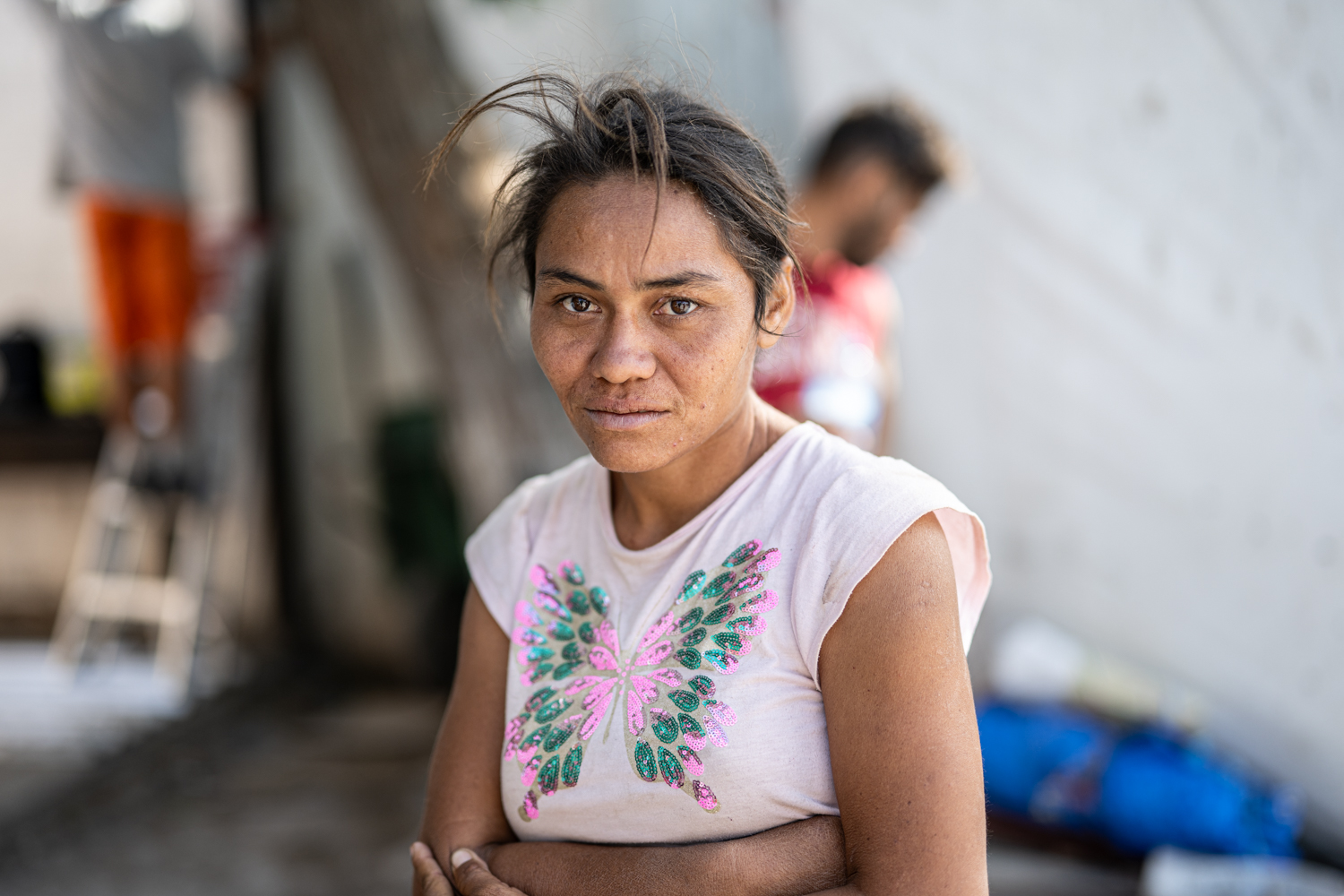
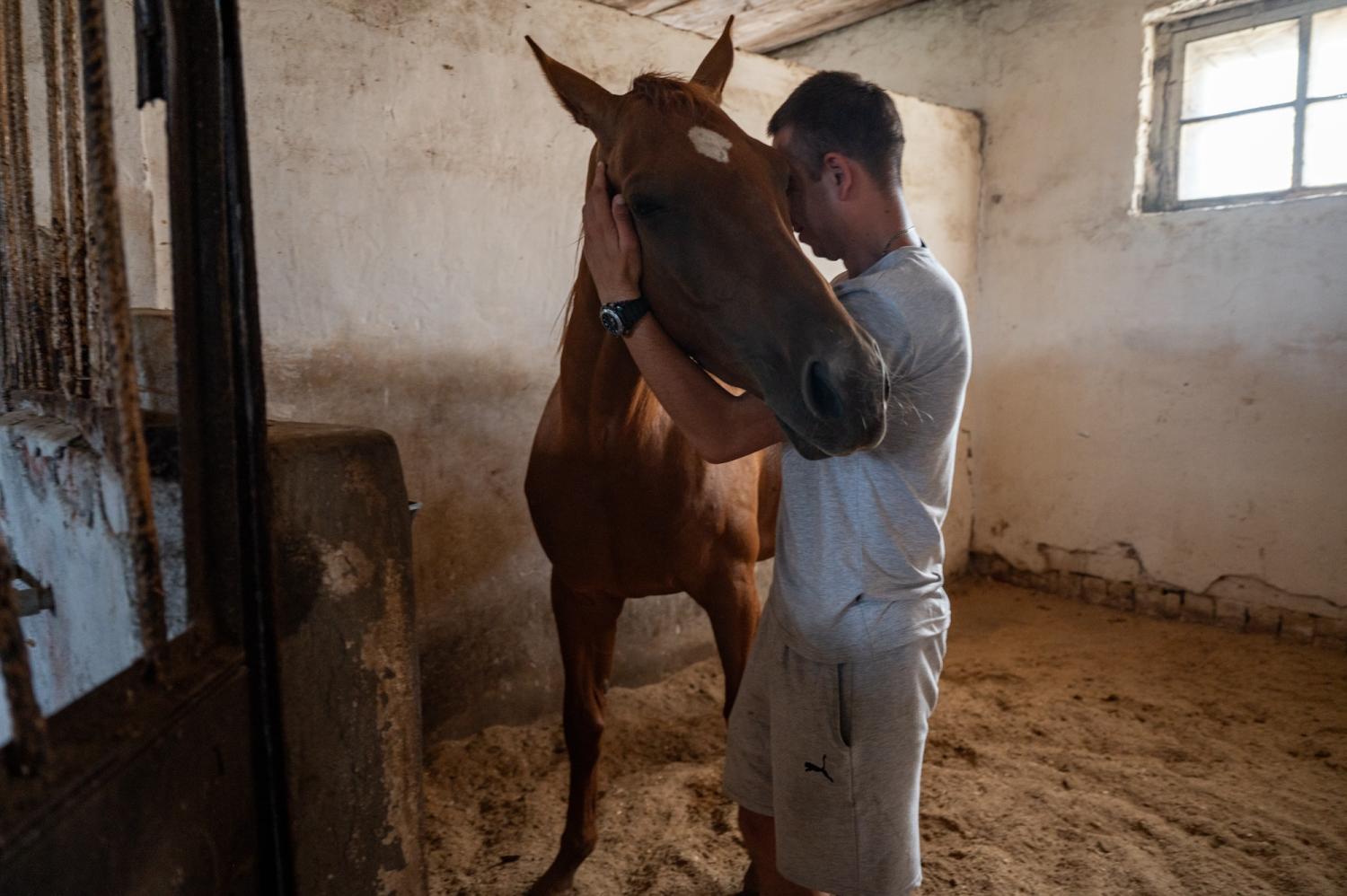
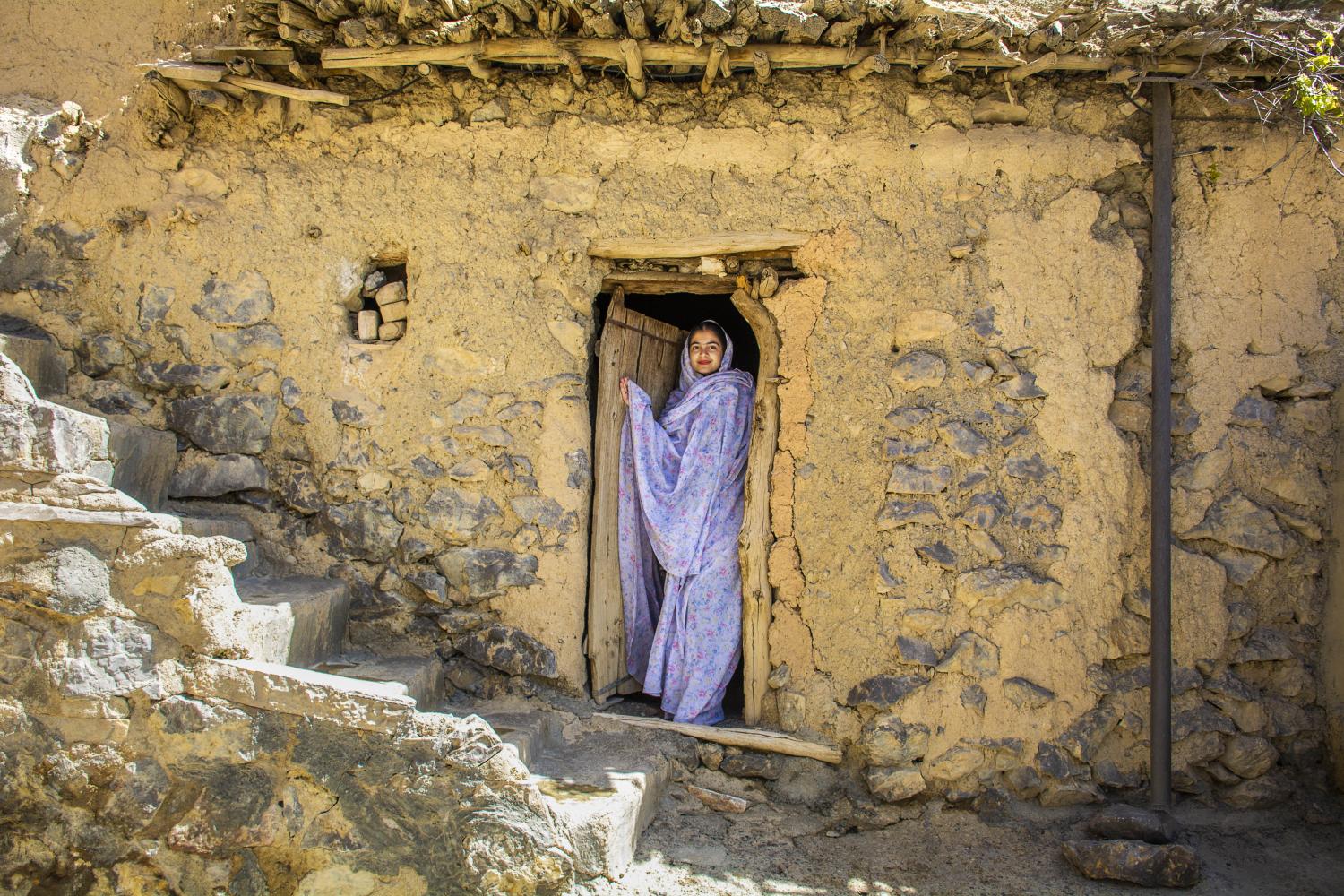
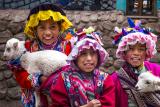
Maynun, 8, and her older brother Said, 12, were both born in a refugee camp in Kenya. They arrived in Clarkston, Georgia in 2004 as part of a massive resettlement program for Somali Bantu refugees. 2006.
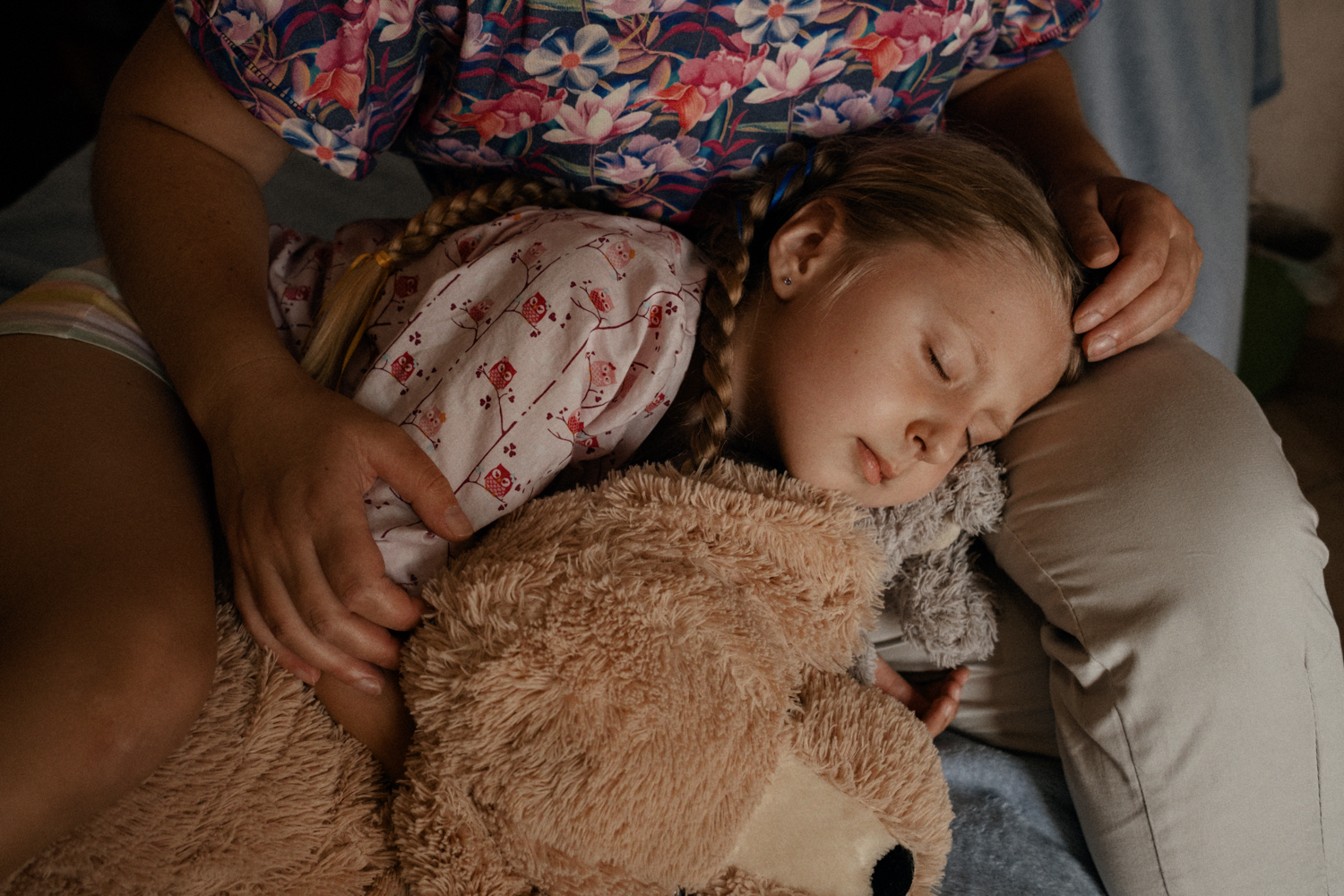
Over the last decade Clarkston, Georgia, a former railroad town outside of Atlanta has been transformed into the Ellis Island of the South for refugees from every corner of the globe. It is estimated that 1 in 3 of Clarkston’s residents are immigrants, and over sixty languages are spoken in this small Southern town. Refugees come to Clarkston from a myriad of cultures suffering the effects of protracted civil wars and massive human suffering: Somalia, Sudan, Burma, Bosnia, Iraq, Vietnam and Afghanistan. The town has become a popular destination for refugees due to access to public transportation, affordable housing, and proximity to resettlement agencies who are crucial in job training and placement. Over 71% of the refugees in Clarkston are female, and all of those, as implied by their refugee status, are survivors of civil conflict, war, trauma, rape and/or genocide. Having traveled thousands of miles for the promise of a new start, these women arrive in the United States filled with tremendous hope for a better life, for themselves and for their children

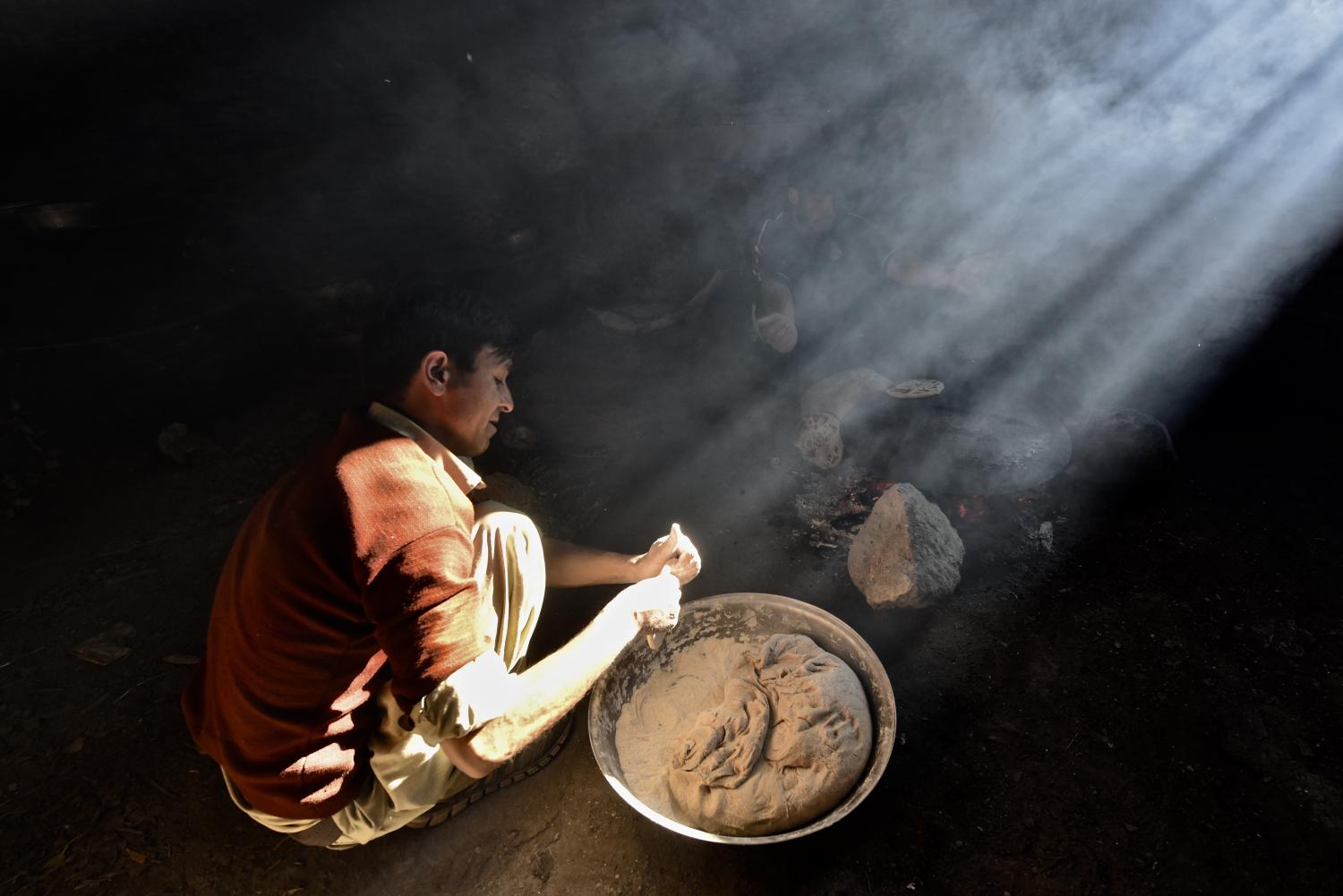
I first met Arbai Barre Abdi in 2004, when she and her four children first arrived in the US from a refugee camp in Kenya. Arbai was one of nearly 13,000 Somali Bantu refugees that were resettled throughout the US beginning in 2004. The Bantu, who were denied access to education and jobs, were almost completely untouched by modern life. Few could read or write in any language, and almost none spoke English. Most had never seen a light switch, a telephone, a set of stairs, or even a building that wasn’t made of mud. These images, taken over the last six years, focus primarily on Arbai, her six children, three grandchildren, and their neighbors of the Willow Branch apartment complex in Clarkston, Georgia. For the past six years, I have had the privilege of bearing witness to their overwhelming spirit and resilience as they assimilate to American life, while still preserving the traditions of their culture.
To license this work for editorial, creative, or other uses, click on the OZMO logo above.
This will take you to the Ozmo website where you can review the cost and license for the photographs in this exhibit.
You will need to create an account with both Amazon payments and with the Ozmo website as described on the Ozmo website.

Ethnic Conflict, Migration and immigration, War, Rape/Sexual violence, Women, The human condition, Family, refugee, resettlement, Georgia, Clarkston